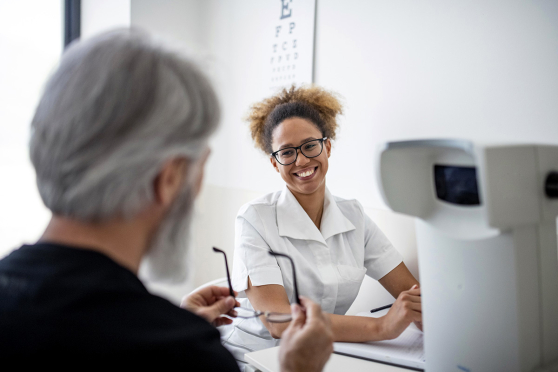
3 reasons an annual eye exam matters — even if vision seems fine
Eye exams play a key role in protecting long-term vision and supporting overall health.
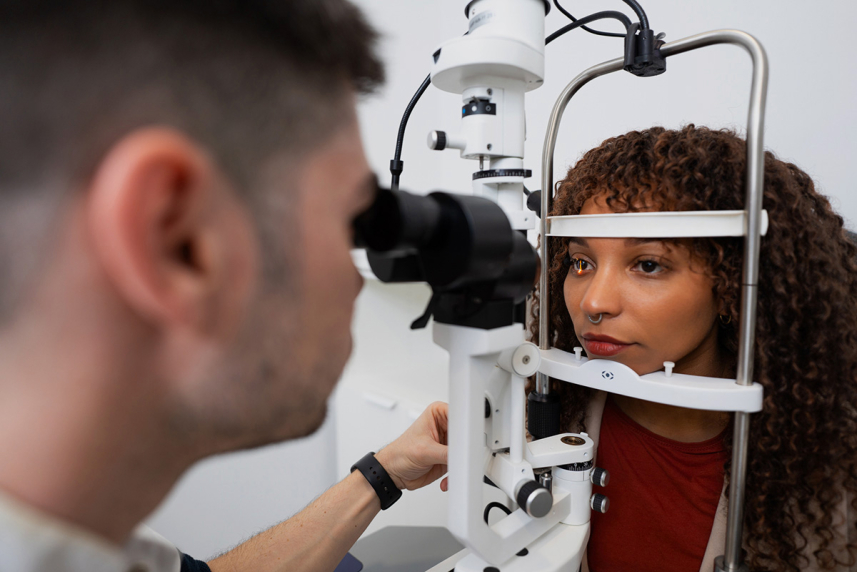
Many people think eye exams are just for glasses or contacts. But they’re important even when vision seems clear. They can help catch eye changes early and reveal signs of health issues before symptoms show up. Here are three reasons regular eye exams are an important part of preventive health care.
1. Vision changes aren’t always obvious
Eyesight can shift slowly. Small differences in vision can be hard to notice, especially if both eyes are affected at the same time. In fact, about 11 million Americans over age 12 need vision correction.1 An eye care provider can determine if glasses or contact lenses may help or if a new prescription is needed.
Some eye diseases can develop without early warning signs. The good news is that a full vision exam lets a provider look inside the eye and find problems before they cause trouble. Plus, spotting certain conditions early may help treatment work better. Here are some eye diseases that can be caught through regular exams:
- Glaucoma: This is one of the most common age-related eye diseases. It causes damage to the optic nerve. And it can lead to vision loss and even blindness if not detected early.2
- Diabetic retinopathy: This condition affects the blood vessels in the retina, which helps the eye see light. Early treatment helps lower the risk of vision loss in people with diabetes.3
- Age-related macular degeneration: AMD is a chronic eye disease that damages the macula, or the part of the retina that controls central vision. It’s the leading cause of vision loss in people over 50.4
- Cataracts: This is a normal part of aging. Cataracts make the clear lens inside the eye become cloudy. But they can lead to vision problems without treatment.5
Due for an annual eye exam? Schedule it with a UnitedHealthcare Vision Network provider. Search now.
2. An eye exam can reveal signs of other health conditions
The eyes are a window into whole-body health. For example, during a vision exam, providers may notice changes in blood vessels or the optic nerve. And that can point to health issues such as high blood pressure or diabetes.
A comprehensive eye exam can help providers find early signs of more than 270 health conditions.6 Here are more examples that can be caught during regular eye appointments:
- Autoimmune disorders
- Brain tumor
- Certain cancers
- Heart disease
- Lupus
- Stroke
- Thyroid disease
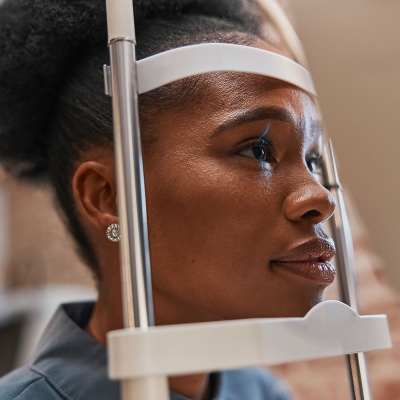
Looking to go glasses- and contacts-free?
LASIK surgery can help make it happen. UnitedHealthcare members get up to 35% off laser vision correction services.
3. Increased screen time affects eye comfort and focus
Daily life includes more time on phones, computers and tablets. Increased screen use can affect how eyes feel and function, even when vision still seems sharp. Eye strain, dryness and trouble focusing can occur because of too much screen time.
Regular exams help assess how eyes are handling screens. Providers look at:
- How well eyes move together
- How pupils respond to light
- How side vision is working
These tests help identify eye strain or coordination issues that basic vision screenings may miss. This full picture helps providers recommend long-term treatment.
In the meantime, at-home care can also help protect vision. Some ideas include eye drops for dryness, taking frequent screen breaks and wearing glasses instead of contacts when eyes get tired.
What happens during a routine eye exam
A comprehensive eye exam often begins with a review of medical history, medications and family history. Vision is tested using an eye chart and tools that help determine the best prescription if corrective lenses are needed.
Other parts of the exam include checks of pupil response, eye movement, side vision and eye pressure. Providers also examine the front of the eye using special equipment and may use dilating drops to view the retina and optic nerve. These steps help spot signs of eye disease that can’t be seen without specialized equipment.
Interested in another way to have a retina exam? Check this out.
How often eye exams are recommended
Eye exam schedules vary by age and health history. In general, most healthy adults ages 18 to 64 should get an eye exam every one to two years.7 And adults over 65, people with certain health conditions and those with a family history of eye disease may need annual exams.7 An eye care provider can help determine the right schedule.
Stay on top of eye health with a UnitedHealthcare Vision Network provider. Search now.
Children need regular eye care as well. They should have at least one exam between ages 3 and 5 and annually after that.7 Early treatment is important for conditions like amblyopia, or lazy eye. Finding issues early can help protect vision during key stages of development.
How preventive care protects long-term vision
Many vision care plans help cover preventive eye care. UnitedHealthcare Vision members can access benefits like routine eye exams and may only have to pay a copay for a fully covered exam. Using these benefits supports long-term vision and overall health for years to come.
Sources:
- Why eye exams are important Centers for Disease Control and Prevention, May 15, 2024
- Glaucoma National Eye Institute, November 26, 2025
- At a glance: diabetic retinopathy National Eye Institute, September 11, 2025
- Age-related macular degeneration. American Society of Retina Specialists, Accessed February 6, 2026
- Cataract MedlinePlus, Accessed February 6, 2026
- See the full picture of your health with an annual comprehensive eye exam American Optometric Association, Accessed February 6, 2026
- Comprehensive eye exams American Optometric Association, Accessed February 6, 2026