
7 signs contact lenses aren’t the right fit
Experiencing any of these symptoms? It may be time to check in with an eye care provider.
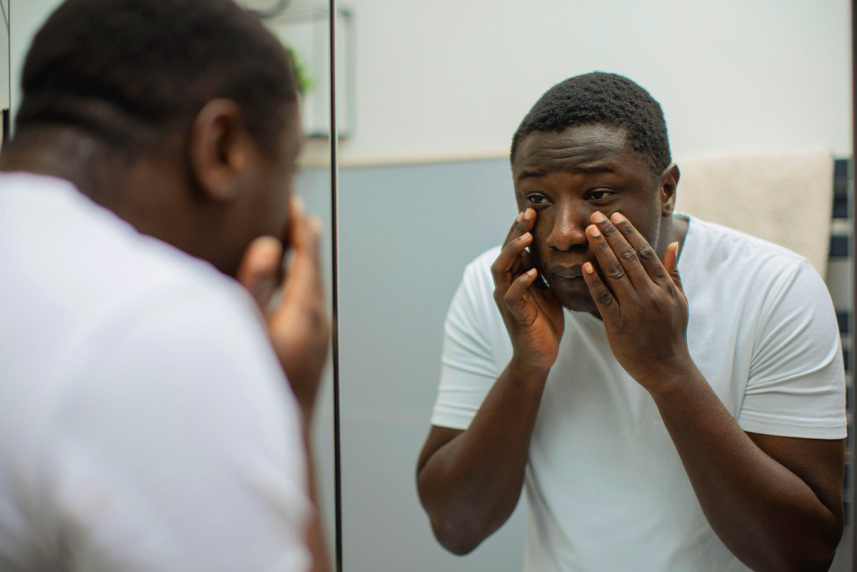
Contact lenses are designed to correct vision while feeling comfortable during daily wear. When lenses fit well, they usually go unnoticed. When they don’t, the eyes often send clear signals.
Discomfort, blurry vision or irritation may mean the lenses are not the right size, shape or material. Here are 7 signs that contact lenses aren’t the right fit — and how an eye care provider can help.
1. Ongoing redness or irritation
Some redness or irritation in the first few days of wearing contact lenses is normal. But if discomfort keeps happening, it may mean the contacts are drying out the eyes, there are not enough tears or the eyes are not getting enough oxygen.1
Poorly fitting lenses can rub against the eye or limit airflow. But having an eye care provider adjust lenses as needed can help lower the risk of infection.
Comfort is key when it comes to contacts. Find your new favorite contacts now — and save 10%.
2. Dryness that doesn’t improve
Dry eyes are one of the most common complaints among contact lens wearers. Mild dryness may improve with blinking, shorter wear times or artificial tears that are safe for use with contacts.
Dryness that persists can mean the lens material is not compatible with the eye’s natural tear film. It may also be linked to excessive screen time or dry indoor air.2 Switching lens types or wearing contacts less may help.

New frames. New you.
Browse the latest styles to find the perfect pair.
3. Lenses that move too much
Contact lenses should stay centered on the eye. Lenses that slide around or slip out may not match the curve of the eye.
Too much movement can cause blurry vision and discomfort. An eye care provider can recommend a better option.
4. Blurry or double vision
When wearing contacts, vision should remain clear throughout the day. Vision that goes in and out of focus may be related to contact lenses that don’t fit well, an outdated prescription or a medical issue.
Blurry or double vision should always be discussed with an eye care provider.
5. Discomfort that worsens over the day
Contact lenses should feel comfortable from morning to night. Discomfort that builds during the day can indicate dryness, irritation or poor oxygen flow.3
A change of contact type may help. Some lenses are designed for shorter wear times. Others are better suited for long days.
Looking for a more comfortable contact lens fit? A UnitedHealthcare Vision Network provider can help. Search now.
6. Burning or stinging
Burning or stinging is not normal with contact lenses. These symptoms can mean the lenses, cleaning solution or fit are irritating the eyes.
Contact lenses that cause burning should not be worn until an eye care provider checks the eyes.
7. Eye infections or inflammation
Continuing to wear uncomfortable lenses may raise the risk of eye infection and inflammation. This also includes improper fit, overwearing lenses or poor hygiene.
Contact lenses should never be worn during an eye infection. Once the infection gets better, a provider may recommend a different lens type to protect eye health.4
How an eye care provider can help
Finding the right contact lens fit can take some trial and error, especially with a first pair. And comfort needs can change over time.
If there’s an issue like the ones listed above, make an appointment with an eye care provider. During the visit, tell the provider:
- When the discomfort started
- How long the lenses were worn
- Which environments feel uncomfortable
This will help with lens adjustments. Based on symptoms, a provider can recommend options such as a change in:5
- Contact lens material (like hard to soft contacts)
- Wear schedule (such as a switch from extended wear to daily wear)
- Frequency of replacement (from monthly disposable contacts to weekly or daily disposables)
- Usage habits (such as alternating between wearing glasses and contacts)
When contact lens fit issues are resolved, continue to see an eye care provider at least once a year to make sure vision is in good shape.
Start with a proper contact lens exam and fitting
Contact lenses are medical devices. That means they should only be worn with a current prescription from an eye care provider.
During a contact lens exam and fitting, the provider measures the shape of the eye, checks tear production and examines overall eye health. This helps determine the correct lens size, material and wear schedule. A proper fit lowers the risk of discomfort, irritation and infection.
Buying contact lenses without a prescription — including decorative or costume lenses sold online — can increase the risk of poor fit, corneal scratches and serious eye infections. Even lenses that look harmless can cause damage if they do not fit correctly.
An eye care provider can make sure lenses are safe, comfortable and designed correctly.
Rule out an infection
It’s important to keep in mind that discomfort from contact lenses is not always a fit problem. In some cases, symptoms may be caused by an eye infection or another medical issue such as allergies. This is why seeing an eye care provider is an important first step.
Signs of infection can include redness, pain, swelling, discharge, sensitivity to light or sudden changes in vision.6 It’s important to stop wearing contacts and see an eye care provider if any of these symptoms are present.
Contact lens hygiene is also key. Skipping proper cleaning steps or wearing lenses longer than recommended can cause discomfort and irritation that may look like a fit problem.
Once these issues are addressed or treated, contact lens fit is the next step.
Sources:
- Why are my contact lenses uncomfortable? Optometrists network, Accessed February 9, 2026
- Environments American Optometric Association, Accessed February 9, 2026
- Contact lens overwear syndrome Optometrists network, Accessed February 9, 2026
- What causes contact lens-related eye infections Centers for Disease Control and Prevention, May 27, 2025
- About contact lens types Centers for Disease Control and Prevention, May 27, 2025
- Eye infections MedlinePlus, June 22, 2025