
Ask the eye care provider: Why routine eye exams matter
A comprehensive eye exam can do more than check vision. An eye care provider explains what happens during an exam, how often to schedule one and what eye exams may reveal about overall health.
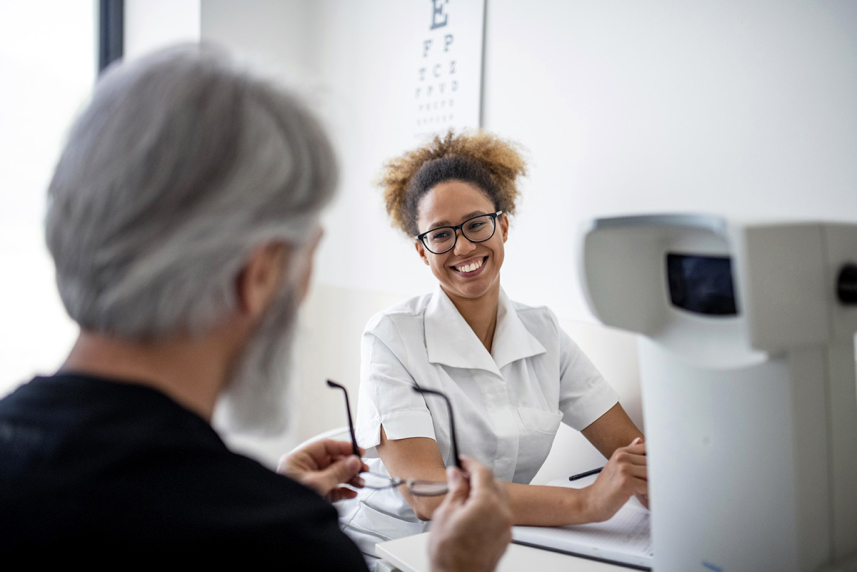
A routine eye exam can reveal more than whether glasses or contact lenses are needed. It can give an eye care provider a closer look at eye health. And it may even reveal signs of health problems that have nothing to do with vision.
Dr. Teri K. Geist, O.D., president of the American Optometric Association, explains why comprehensive eye exams matter, what happens during an exam and what changes may signal a need for an appointment.
This article is for general education and isn't a substitute for personalized medical advice. Talk with an eye care provider to determine what's appropriate for individual needs.
Why have an eye exam if vision seems fine?
Clear vision doesn’t always mean the eyes are healthy. Some eye diseases and other health conditions may not cause noticeable symptoms in their early stages. A comprehensive eye exam lets an eye care provider look beyond how clearly someone can see. The exam can include a close look at the retina, blood vessels and optic nerves.
“The interior of the eye is the only place in the body where blood vessels and nerve tissue can be directly examined without expensive imaging or invasive procedures,” Dr. Geist says.
An eye care provider may also notice signs that could point to health conditions such as diabetes, high blood pressure or high cholesterol.1,2 These findings don't necessarily mean a person has one of these conditions, but they may be a reason to seek follow-up care.
How often should comprehensive eye exams happen?
The American Optometric Association recommends an in-person, comprehensive eye exam every year.3 Regular exams can help monitor changes in vision and eye health and support early detection of problems that could affect sight or overall health. Some people may need exams more often based on their health, symptoms, family history or other risk factors.
An eye care provider can recommend an exam schedule based on individual needs.
When was the last comprehensive eye exam? Find an eye care provider and schedule an appointment.
The easiest way to stock up on contacts
Find dailies, monthlies, extended wear and more, from all the top brands.
What happens during a comprehensive eye exam?
A comprehensive eye exam involves more than reading letters on an eye chart. Different tests can check vision, how the eyes work together and the health of the eyes.
Depending on individual needs, an exam may include:
Health history: Questions about current eye or vision concerns, overall health and personal and family health history.
Visual acuity: A check of how clearly each eye can see.
Preliminary tests: Tests that may check depth perception, color vision, eye movements, side vision and pupil responses.
Refraction: Testing to determine the lens power needed to correct nearsightedness, farsightedness, astigmatism or other refractive errors.
Eye focusing and teaming: Tests that look at how well the eyes focus and work together.
Eye health evaluation: A close look at the structures of the eyes and surrounding tissues using specialized tools and technology.
Additional testing: More tests may be needed to confirm or rule out a possible problem or take a closer look at an area of concern.
Not every person will need every test. The eye care provider can decide which tests are appropriate based on the exam results and individual needs.
Can an eye exam help spot other health problems?
Sometimes, changes inside the eyes can provide clues about what's happening elsewhere in the body. Dr. Geist says eye care providers can detect signs of conditions such as diabetes, high blood pressure and high cholesterol during an eye exam.
"Nearly a quarter of Americans have experienced an eye-health professional detecting a non-eye health-related issue, diabetes being one of the most commonly found through an eye exam," she says.
According to Dr. Geist, doctors of optometry detected an estimated 431,000 cases of diabetes in 2019 among people who were previously unaware they had the condition.1,4 But an eye exam isn't a replacement for regular medical care. When an eye care provider notices something unusual, it may lead to additional testing or a referral to a primary care provider or specialist.
What makes children's eye exams different?
Children's eyes are still developing, so eye exams look at more than visual sharpness. An eye care provider also checks how well the eyes work together, including focusing, tracking and alignment.
Because young children may not be able to describe vision problems, providers use age-appropriate methods to check vision and eye health.
The American Optometric Association recommends:
6 to 12 months: A comprehensive baseline eye exam
3 to 5 years: At least one in-person, comprehensive eye exam
6 to 18 years: A comprehensive exam before starting first grade and yearly exams after that
Early eye care can help identify vision problems that may affect development and learning.
What signs may mean it's time for an eye exam?
Some changes in vision can be easy to overlook. An eye exam may be a good idea when there is:
- Trouble adjusting to dark rooms
- Blurry vision at a distance or up close
- Difficulty focusing on nearby or distant objects
- Squinting or blinking because of lights or glare
- Double vision
- Excess tearing or watery eyes
New or unusual vision changes are worth discussing with an eye care provider. An exam can help determine what's causing the change and whether more testing is needed.
Noticing changes in vision? Find an eye care provider and schedule an appointment.
What questions should be asked during an eye exam?
An appointment is a good time to ask questions and better understand eye health. Consider asking:
- What will be checked during the exam?
- Has vision changed?
- Is an updated prescription needed?
- Are the eyes healthy, or is anything in need of follow-up?
- Did the exam show any signs of a health condition that should be discussed with a primary care provider?
- How often should a comphrensive eye exam happen?
- What can help protect vision and eye health?
- What eye care does a child need?
It's also helpful to share new vision changes, symptoms, medications and personal or family health history with the eye care provider. This information can help guide the exam and determine what care may be needed.
The bottom line
Eye exams are about more than checking whether vision is clear. A comprehensive exam can evaluate how the eyes see and work together, check eye health and uncover signs that may need follow-up.
Regular eye exams can help identify potential concerns early — even when there aren't noticeable changes in vision.
Sources
Interview with Dr. Teri K. Geist, O.D, president of the American Optometric Association
See the Full Picture of Your Health with an Annual Comprehensvie Eye Exam American Optometric Association
Comprehensive Eye Exams American Optometric Association
Year-round resources for Diabetes Alert Day American Optometric Association, March 22, 2022