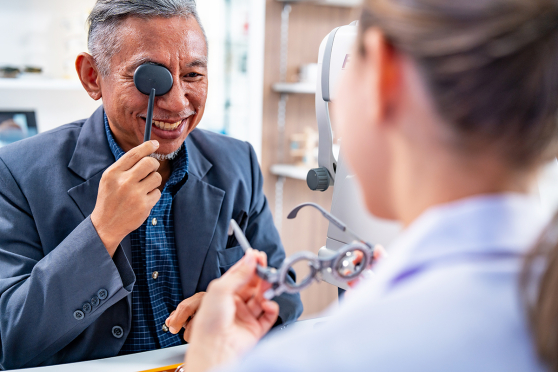
Living with glaucoma? 5 ways to take charge of eye health
For people living with glaucoma, prioritizing eye health is key. Here’s how preventive care may help lower the risk of vision loss.

For many people, a glaucoma diagnosis is the beginning of ongoing care rather than a one-time treatment. While the condition can’t be cured, regular eye care can help slow vision changes and maintain quality of life.
Treatment typically includes medication, regular monitoring and lifestyle habits that support eye health. Working with an eye care provider is essential, as early adjustments in care can make a big difference. Here’s how to take care of eye health if you’re living with glaucoma.
The importance of early detection
Glaucoma is a chronic condition that can lead to vision loss and blindness. It causes damage to the eye’s optic nerve and is often related to increased eye pressure.1
Vision loss usually begins with peripheral (side) vision and progresses gradually. Early detection and treatment may slow the progression, but the damage cannot be reversed.
Regular eye exams and monitoring are critical after a glaucoma diagnosis. Eye changes often occur without noticeable symptoms. In fact, about half of people with glaucoma don’t know that they have it.1 For people living with glaucoma, here are five ways to protect eye health.
Stay on top of glaucoma care with an in-network provider. Find a provider now.
1. Take medication as prescribed
Treatment for glaucoma often includes prescription eye drops or oral medications.2 These help lower eye pressure and protect the optic nerve.
Skipping doses of prescribed medication may allow pressure to rise and can speed up vision loss.
To stay on top of medication routines, consider these tips:
- Take medications at the same time each day. It can help to connect it to a daily activity, such as breakfast or a walk.
- Speak with an eye care provider about any side effects that may prevent taking daily medication.
- Keep medications in a visible and safe location, such as on a kitchen countertop.
- Track usage with a planner, alarm or phone app.
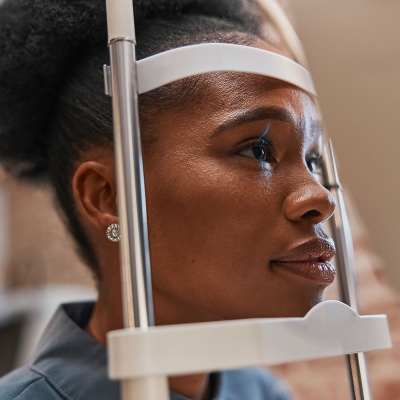
Looking to go glasses- and contacts-free?
LASIK surgery can help make it happen. UnitedHealthcare members get up to 35% off laser vision correction services.
2. Learn about treatment options
Eye drops or medication are a common treatment for glaucoma. These medications help lower eye pressure and protect the optic nerve. Over time, some people may need additional treatment to manage the condition. Learning about common options can help people feel more prepared if care plans change.
Laser treatment.
Laser procedures are sometimes used to help drain fluid from the eye. This can help lower eye pressure.3 These treatments are typically done in a provider’s office and usually take only a short time.
Surgery.
This treatment can also help lower pressure and reduce damage to the optic nerve.
Several types of glaucoma surgery exist. An eye care provider can explain whether surgery is appropriate and what to expect from treatment. If surgery is needed in both eyes, it is generally only done on one eye at a time.4
3. See an eye care provider regularly
Glaucoma can progress slowly, making it important to schedule regular eye exams.
Routine follow-ups give providers a chance to review treatments and adjust care. The frequency of visits depends on glaucoma type and severity. During these visits, providers may:2
- Review medication use
- Measure eye pressure
- Examine the optic nerve
- Repeat vision tests
- Discuss any new symptoms or changes in vision
Attending scheduled appointments is an important part of ongoing care.
Regular eye care is essential when living with glaucoma. Search for an eye care provider now.
4. Consider lifestyle habits that can help
Healthy habits can help support overall eye health. Lifestyle changes can’t cure glaucoma, but they can support circulation and may help reduce pressure on the eyes. Healthy lifestyle habits to consider include:5
Exercise regularly. Activities such as walking or stretching can support healthy blood flow throughout the body, including the eyes. Regular movement also benefits heart health and may help manage conditions such as high blood pressure.
Exercises that may temporarily raise eye pressure should be avoided. One example is certain yoga posts where the head is held below the heart or swimming with tightly-fitted goggles. An eye care provider can recommend safe forms of exercise.
Maintain consistent sleep patterns. Getting enough sleep supports overall health. Poor sleep may affect blood pressure and circulation, which can influence eye health.
Manage chronic conditions. Conditions such as diabetes or high blood pressure can affect blood vessels in the body. Working with health care providers to manage these conditions can support long-term eye health.
You’re not alone with vision loss
Find free workshops, practical advice and one-on-one support to help adapt to low-vision with confidence. Get started.
Eat a balanced diet. Eating fruits, vegetables, whole grains and lean proteins supports overall health and circulation. Some research suggests that leafy green vegetables may be associated with a lower glaucoma risk.5
Foods rich in omega-3 fatty acids (such as salmon or mackerel) and antioxidants (berries and citrus) may also support general eye health.
Organize at home. Good lighting, reduced clutter and tools such as magnifiers can make daily tasks easier. These changes may also help reduce fall risks if vision changes occur.
While lifestyle habits do not replace medical treatment, they can play an important role in supporting overall health.
5. Take care of your mental health
Living with a chronic eye condition can bring stress or anxiety. Many people continue daily activities successfully when they have a plan for ongoing care. Support strategies include:
- Learning about glaucoma and treatment options
- Consulting regularly with eye care providers
- Joining support groups or connecting with others living with glaucoma
- Exploring free resources, like Hadley, which offers practical tips, emotional support and short workshops for people adjusting to vision changes
- Seeking counseling or mental health support if needed
The right support can help people with glaucoma maintain confidence and independence.
Overdue for a vision checkup? Connect with an eye care provider now.
Sources:
- Glaucoma National Eye Institute, November 26, 2025
- Glaucoma Mayo Clinic, November 2, 2024
- Laser Treatment for Glaucoma National Eye Institute, August 6, 2025
- Glaucoma Surgery National Eye Institute, December 5, 2024
- Living Well with Glaucoma: Practical Tips to Improve Your Quality of Life Glaucoma Research Foundation, December 10, 2024