
Turning 40? Here’s how to make the most of UnitedHealthcare Vision’s benefits
Vision changes are a natural part of aging. But regular eye exams, updated prescriptions and the right lens options can help keep things clearer for longer.

It happens to everyone. One day, the phone buzzes with a new message, and the screen looks a little blurrier than usual. Or while out to eat, the menu is a bit harder to read. For many adults between 40 and 65, this is how vision changes begin — subtly and slowly. But it's a normal part of aging. Here are common conditions that affect aging eyes and how UnitedHealthcare vision benefits can help.
Presbyopia: a common change after 40
One of the most common vision changes after age 40 is presbyopia.1 This condition makes it harder to see things up close, such as small print or phone screens. Many people start to hold reading materials farther away to see clearly.
Presbyopia happens because the lens inside the eye becomes less flexible. It’s a normal part of getting older. And it affects almost everyone over time. Reading glasses or changes to a current glasses prescription can help correct this kind of vision loss.
Ready to use your UnitedHealthcare Vision allowance for contacts and/or glasses? Consider ordering them from the same convenient online location. Shop now.
Other common vision issues between ages 40 and 65
Along with presbyopia, other eye conditions may begin to appear in midlife.1 These conditions often have no early symptoms, so regular eye exams are important for catching them early.
Age-related macular degeneration (AMD)
AMD affects the part of the eye that helps you see straight-ahead. It can make it hard to read, drive or recognize faces. The early stages may not cause noticeable problems, but regular checkups can help detect it early.2
Cataracts
Cataracts are cloudy spots that form in the lens of the eye. They can make vision blurry, dull or dim. Cataracts usually grow slowly and can often be treated with surgery.3
Diabetic retinopathy
This condition affects people with diabetes. It happens when too much sugar in your blood hurts the small blood vessels in the back of your eye. Diabetic retinopathy can lead to vision loss if not treated.4
Glaucoma
Glaucoma damages the optic nerve, often because of pressure building up inside the eye.5 It can lead to permanent vision loss if not found early, but many people don’t notice symptoms until it’s worsened. Regular eye exams are the best way to catch it in time.
Eye care providers in the UnitedHealthcare Vision Network are here to help keep your vision healthy. Search for a provider now.
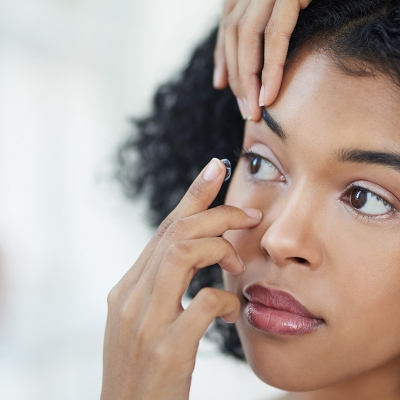
The easiest way to stock up on contacts
Find dailies, monthlies, extended wear and more, from all the top brands.
How UnitedHealthcare Vision benefits can help
Even when vision seems fine, routine eye exams play an important role in staying healthy. Most UnitedHealthcare Vision plans include full coverage for annual comprehensive eye exams. These exams can help:
- Catch changes in vision
- Check for signs of eye disease
- Spot early warning signs of other health problems, like high blood pressure or diabetes
Getting the right prescription and lens features is also important. That’s why UnitedHealthcare Vision benefits may include:
- Allowances for glasses or contact lenses
- Coverage for special lens features, like photochromic or progressive lenses
Here are some types of glasses and contact lenses that can make seeing easier. And they are covered by the allowance.
Bifocals. Bifocal glasses have two lens powers in one pair. The top part helps with distance, while the bottom helps with reading or close-up tasks.
Multifocal or progressive lenses. These lenses offer a gradual change in power from top to bottom. This means the lenses can help with distance, mid-range and close-up vision. They don’t have lines like bifocals, which many people prefer.
Multifocal contact lenses. These contacts work like progressive glasses. They help with both near and far vision in one lens.
Photochromic lenses. These lenses automatically darken in sunlight and clear up indoors. They protect eyes from UV rays and help with seeing light better.
Reading glasses. For people who only need help with close-up vision, reading glasses are a simple and affordable solution.
Sources:
- Eye Health Information for Adults 40 to 65. American Academy of Ophthalmology, July 14, 2025
- Understanding Macular Degeneration. American Academy of Ophthalmology, October 1, 2024
- What are cataracts? American Academy of Ophthalmology, October 9, 2024
- Diabetic Retinopathy: Causes, Symptoms, Treatment. American Academy of Ophthalmology, October 11, 2024
- Understanding Glaucoma: Symptoms, Causes, Diagnosis, Treatment. American Academy of Ophthalmology, October 29, 2024