
Eye care or medical care? How to choose the right place for vision concerns
Not every eye problem needs the same level of care. This guide may help people decide when to see an eye care provider, visit urgent care or go to the emergency room.

When an eye problem starts, it can be hard to know what to do next. Can the symptom wait for an eye care provider? Or is it better to go to urgent care or even the emergency room?
The answer depends on the problem. Some eye symptoms are mild and can wait for an eye care visit. Other problems need quick care to help lower the risk of vision loss.1
Knowing where to go can save time and help reduce the chance a small problem gets worse.1 This guide explains common eye symptoms and where someone may go for care.
When to see an eye care provider
Eye care providers do more than test vision. They can screen for eye conditions and signs of other health problems.2
If someone is having trouble seeing clearly or has new symptoms like blurred vision or sensitivity to glare, they should make an appointment.2
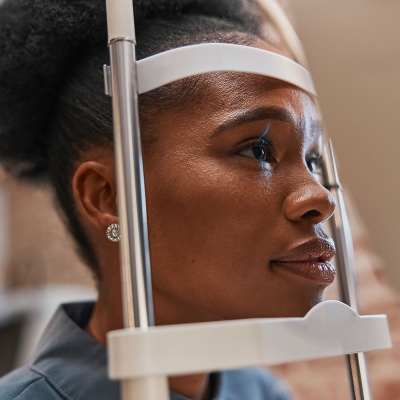
During a comprehensive eye exam, the provider may dilate the eyes to check the back of the eye. This helps them look for problems with blood vessels or nerves and examine eye structures like the lenses and corneas.2
They can diagnose common vision problems, such as myopia (nearsightedness) or presbyopia (age-related changes in near vision). They can also check for conditions like cataracts.
Stay on top of eye health with an in-network provider. Search for a provider now.
Other reasons to see an eye care provider include:2
- Trouble focusing on near or far objects
- Eye strain or headaches from screen use
- Dry, irritated eyes
- Squinting or blinking often, especially in bright light
- Red or painful eyes
- Watery eyes
Some infections, like conjunctivitis (pink eye), can also be evaluated by an eye care provider. Causes may include bacteria, viruses or allergies.3 And treatment can help reduce symptoms and lower the risk of complications.3
(Have a child recently diagnosed with nearsightedness? Check out this guide to children’s myopia.)
When to go to urgent care
Some eye problems need quick attention, especially if symptoms are sudden, severe or getting worse.4
Urgent care may also help when symptoms happen after hours and an eye care provider is not available. Some eye clinics offer urgent or after-hours care as well.5
Urgent care clinics or urgent eye care services can help with issues that may need prompt attention, such as:4
- Mild to moderate eye or eyelid pain
- Swelling on the eyelid
- Red eyes
- Minor eye injuries or trauma
Urgent care providers can evaluate symptoms, provide initial treatment, and refer patients to an eye specialist if needed.4
Looking to go glasses- and contacts-free?
LASIK surgery can help make it happen. UnitedHealthcare members get up to 35% off laser vision correction services.
When to get emergency medical care
Some eye symptoms are serious and may require immediate care in an emergency room.1,5
These include:
- Severe eye pain
- New double vision
- Signs of retinal detachment, such as sudden flashes, floaters or a curtain-like shadow over vision6
- Bleeding or fluid leaking from the eye1
- Signs of an eye stroke, such as sudden vision loss in one eye, blurred vision or new blind spots7
Other reasons to go to the emergency room include:1,5
- A serious eye injury with a cut or damage to the eyeball8
- An object stuck in the eye1
- Contact with chemicals that may cause burns1
These conditions can threaten vision and need care right away.
Regular eye care is essential to good vision health. Search for an eye care provider now.
Why regular eye exams matter
Routine eye exams are not just for updating glasses. They are an important part of overall health care.
An eye care provider may find signs of health conditions like diabetes or high blood pressure and detect eye diseases such as glaucoma or cataracts.9
Many eye conditions develop slowly and without symptoms. Early detection during an eye exam can help manage these conditions and protect vision.9
How often a person needs an eye exam depends on their age, symptoms and risk factors. And following a provider’s recommendations can help catch changes early.9
Sources
- Eye Emergencies American College of Emergency Physicians
- How Do I Know I Need to Visit the Optometrist? American Optometric Association, November 19, 2024.
- Conjunctivitis (pink eye) American Optometric Association
- Urgent Eye Care Illinois Eye Institute
- After-Hours Emergency Eye Care New York Eye and Ear Infirmary of Mount Sinai
- Retinal Detachment American Optometric Association
- Eye Stroke Cleveland Clinic
- Open Globe Injury Cleveland Clinic
- Taking Care of Your Eyes Centers for Disease Control and Prevention, May 15, 2024