
How to protect eye health while living with diabetes
Diabetes raises the risk for serious eye conditions. But taking preventive steps can help improve eyesight long-term.
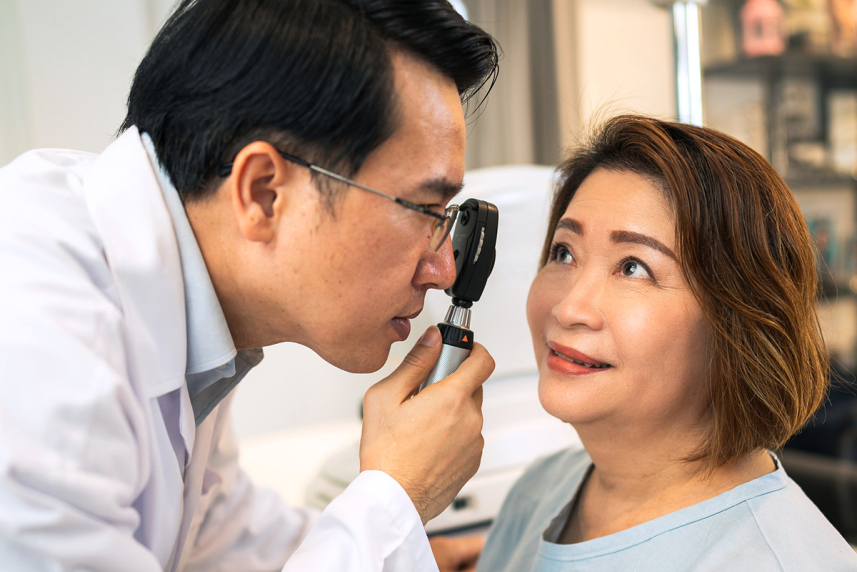
Diabetes can quietly affect eye health. Sometimes, it can cause vision damage even before symptoms appear. In fact, diabetes is the leading cause of blindness in people aged 18 to 64 years old.1
Luckily, regular screenings can help catch eye conditions early. And early treatment can help lower the risk of vision loss. Try these eye-friendly tips when managing diabetes.
Understand diabetes-related eye disease
Diabetes is a chronic condition that affects how the body controls blood sugar. If blood sugar levels are too high, it can damage small blood vessels throughout the body. This includes the eyes.
People with diabetes face higher risks for many eye conditions. These include:
Diabetic retinopathy
Diabetic retinopathy (DR) damages blood vessels in the retina. This is the light-sensitive tissue at the back of the eye that sends images to the brain. In some cases, abnormal new blood vessels grow on the surface of the retina. DR is a leading cause of vision loss among people with diabetes.2
Having any type of diabetes (Type 1, 2 or gestational diabetes, which can develop during pregnancy) increases the risk for DR.2 The longer a person has diabetes, the greater the risk for DR.
Early vision damage from diabetic retinopathy often has no symptoms. This makes it even more important to see an eye care provider regularly. Later stages of DR, may lead to:2
- Blurry vision
- Dark spots called “floaters”
- Streaks that look like cobwebs
- Changes in vision that come and go
If eye problems are caught early, managing blood sugar may help slow them down. More advanced cases might need injections, laser treatment or surgery.
Stay on top of eye health with an in-network provider. Search for an eye care provider now.
Diabetic macular edema
Diabetic macular edema is a complication of diabetic retinopathy. It occurs when blood vessels in the retina leak fluid into the macula. This part of the retina helps eyes to see details clearly. Swelling from this fluid can cause vision problems.
Symptoms are often not present until the condition is advanced but can include:3
- Blurry vision
- Dark or empty areas in vision
- Trouble seeing faces clearly
- A change in color vision
Treatment options are similar to those for DR.
Glaucoma
People with diabetes are at increased risk for glaucoma.2 Glaucoma happens when pressure builds inside the eye and damages the optic nerve. And this damage can lead to permanent vision loss.
Symptoms often develop slowly and can include:
- Blurry vision
- Pain in the eye area or headaches
- Halos around vision
- Red or watery eyes
Treatment options are similar to those for DR. Eye drops may also be able to decrease pressure in the eye.
You’re not alone with vision loss
Find free workshops, practical advice and one-on-one support to help adapt to low-vision with confidence. Get started.
Cataracts
Cataracts cause the lens of the eye to become cloudy. This can lead to blurred vision. In people with diabetes, cataracts tend to develop earlier and may progress faster in people with diabetes.4
Symptoms may include:
- Blurry or cloudy vision
- Trouble seeing at night
- Halos around lights
- Double vision
- Change in color vision
Surgery is usually the treatment for cataracts. The clouded lens of the eye is replaced with a new artificial lens.
Get regular dilated eye exams
For people with diabetes, the best way to protect vision is a dilated eye exam at least once a year.5
Some individuals may need exams more often depending on their medical history and eye health. Children and teens with diabetes may also need regular screenings. An eye care provider can recommend the right schedule.
Comprehensive dilated eye exams allow eye care providers to find damage before symptoms appear. During a dilated exam, special drops widen the pupils so the retina and optic nerve can be examined closely.
Let a provider know about any vision changes — no matter how small or short-term. Early treatment can help lower the risk of serious problems.
Due for a screening? Schedule an eye exam with a UnitedHealthcare Vision Network provider. Search now.
Looking to go glasses- and contacts-free?
LASIK surgery can help make it happen. UnitedHealthcare members get up to 35% off laser vision correction services.
Manage blood sugar and overall health
Taking care of eye health is part of managing diabetes. Other important steps: 2
- Maintain healthy blood sugar levels
- Control blood pressure
- Follow a healthy diet
- Quit smoking
These steps, along with regular eye exams, can help lower the risk of vision loss.
Use vision benefits to stay on track
UnitedHealthcare Vision plans make preventive eye care more accessible.
Coverage usually includes:
- Routine comprehensive eye exams
- Diagnostic testing for retinal and optic nerve health
- Corrective lens prescriptions
When a person chooses an eye care provider in the UnitedHealthcare Vision Network, that helps lower their out-of-pocket costs. An in-network provider or clinic is one that has contracted with the insurance company to offer services at preset rates.
Before an eye appointment, it helps to check vision benefits. This can be done by signing in or registering at myuhcvision.com. Under “Benefits & Coverage,” simply select “Benefit Summary” to see what’s covered.
Sources:
- Diabetic eye health American Diabetes Association
- Diabetic retinopathy National Eye Institute, September 11, 2025
- Diabetes-related macular edema American Diabetes Association
- Diabetes eye disease American Diabetes Association
- Diabetic retinopathy Mayo Clinic, August 13, 2025