Glasses or contacts? Here's why many people choose both
It’s common to switch between wearing glasses and contact lenses. Learn how using both can boost comfort and flexibility.
When it comes to vision correction, people often think it’s a choice between wearing glasses or contact lenses. But it’s common to use both. Some wear glasses most of the time and choose contacts for certain activities. Others switch back and forth during the week depending on comfort, plans or personal preference.
Using both options can offer flexibility. Glasses and contact lenses correct vision in different ways and each has its own benefits. Having both on hand can make it easier to adjust at home, at work or on the go. Here’s what to know.
Why some people use both glasses and contacts
Glasses and contact lenses both correct vision, but they work differently in daily life. That’s why many people choose to use both instead of relying on just one.
Reasons people alternate between glasses and contacts include:
Different daily needs: Some people prefer glasses when they’re less active, such as working at home or relaxing in the evening. On the other hand, contact lenses may feel more practical when glasses can get in the way, such as during exercise or travel.
Giving eyes a break from contact lenses: Wearing contact lenses for many hours in a row may cause dryness or irritation for some people. Switching to glasses for part of the day can help reduce that strain.
Comfort and personal preference: Switching allows people to choose the option that is most comfortable and convenient.
When glasses may feel more comfortable
Glasses are often the easiest option for every day. Many people choose glasses when convenience and eye comfort matter most.
Common situations include:
- Working from home: Many people reach for glasses while working or if they’re spending long hours on screens. Glasses are simple to take on and off. And they do not require the daily care that contact lenses require.1
- Evening routines: Evenings are another common time for glasses. After a full day, some people prefer to remove their contact lenses and let their eyes rest.
- When eyes feel dry or tired: Glasses can also help when eyes feel dry. Taking a break from contact lenses may help reduce irritation and allow the eyes to recover.
- Seasonal or environmental comfort: During allergy season, glasses may be less irritating to itchy eyes. They may also be more comfortable than contactss in a dry environment like an airplane.
Still need to tap your UnitedHealthcare Vision allowance for glasses or contacts? Consider ordering them from the same convenient online location. Shop now.
Looking to go glasses- and contacts-free?
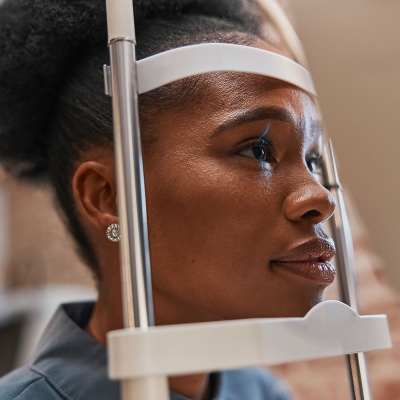
LASIK surgery can help make it happen. UnitedHealthcare members get up to 35% off laser vision correction services.
When contact lenses may be more convenient
Contact lenses can be helpful when glasses might get in the way. Many people choose contacts for sports, movement or appearance.
Common situations include:
- Exercise and sports: Contact lenses move with the eye and don’t slide down the nose during activity. For activities like running, cycling or fitness classes, contacts can be easier than glasses.
- Travel and commuting: Contacts can make wearing sunglasses or protective eyewear more convenient. Some people also find it easier to pack or carry contacts for trips.
- Special events: Contact lenses offer a glasses-free look, which some people may prefer.
- Driving: Some people prefer contacts when driving because it provides better side vision.
- Seasonal convenience: In hot or humid weather, contacts may stay more secure than glasses. They can also make outdoor activities easier, especially when wearing sunglasses or protective gear.
Comfort is key when it comes to contacts. Find new contacts now — and save 10%.
How eye exams support both options
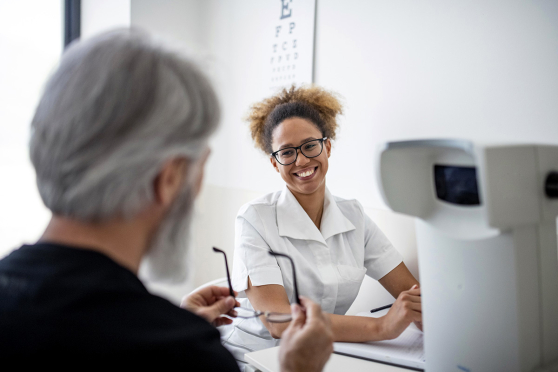
Regular comprehensive eye exams play an important role for anyone who wears glasses, contact lenses or both. An eye care provider can check whether a prescription has changed. They can also make sure glasses and contact lenses are still providing clear vision. Exams can also help monitor eye health and look for signs of dryness or irritation related to contact lens wear.
Make eye health a priority
Take care of glasses and contacts to help protect eye health. These everyday habits can make a big difference.
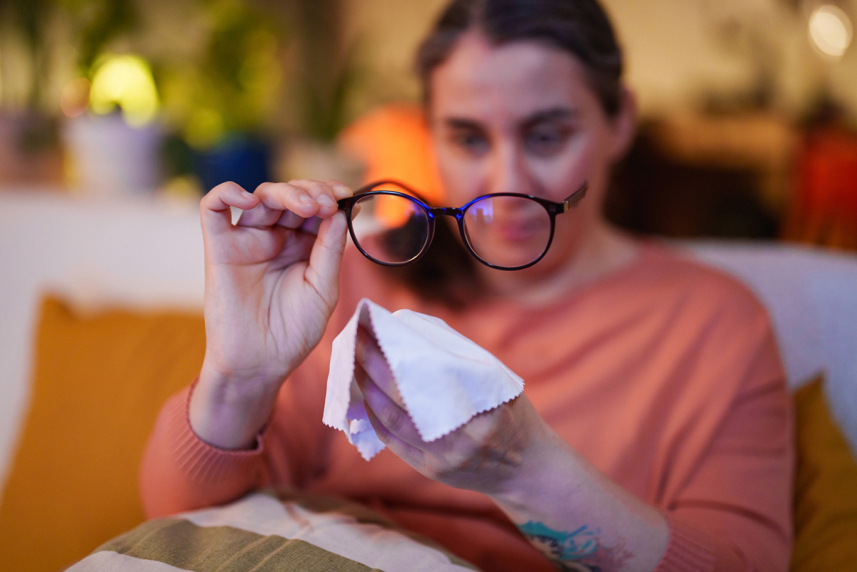
- Clean glasses regularly: Wipe lenses with a soft cloth and cleaning solution to remove smudges, dirt and bacteria.
- Follow proper contact lens hygiene: Always wash hands before handling lenses and store them in fresh solution.
- Track when lenses need replacing: Keep a reminder for when contact lenses reach the end of their wear period.
- Keep a backup on hand: People who wear contact lenses should keep a backup pair of glasses. Contacts aren’t recommended during eye infections or irritation.
For people who normally wear glasses, having contacts on hand can be helpful if glasses break.
Sources:
- About contact lenses Centers for Disease Control and Prevention, May 27, 2025