
Can a CGM help protect vision?
Continuous glucose monitors (CGMs) offer real-time blood sugar information that helps people with diabetes spot patterns, make daily adjustments and support long-term eye health.
Keeping blood sugar steady is important for managing diabetes and protecting vision. When blood sugar is too high, it can harm the tiny blood vessels in the eyes, but steady levels help keep them healthy.
Many people with diabetes can protect eyesight and keep vision clear by noticing patterns and making small daily changes. Tools like continuous glucose monitors (CGMs) make this easier by showing how the body reacts throughout the day.
Understanding diabetic eye disease
Diabetic eye disease is a group of conditions that can affect people who have diabetes. The most common form is diabetic retinopathy. This disease harms the retina, or the light-sensing tissue at the back of the eye.1 The retina uses tiny blood vessels to bring in oxygen and nutrients. When blood sugar stays high, these vessels can become weak, swollen or blocked.
In the early stages of diabetic retinopathy, damage may not cause pain or obvious symptoms. But as the disease gets worse, people may notice:2
- Blurred vision
- Dark spots
- Trouble seeing colors
Another condition linked to diabetes is diabetic macular edema. This happens when swelling affects the macula, which is the part of the retina that helps people see fine details.3 Swelling in this area can make reading, driving and other daily tasks more difficult.
The good news is that regular eye exams can help spot these problems early. And with early care and blood sugar management, many of these changes can be slowed or even prevented.2
Eye care providers in the UnitedHealthcare Vision Network are here to help keep your vision healthy. Search for a provider now.
The easiest way to stock up on contacts
Find dailies, monthlies, extended wear and more, from all the top brands.
What are continuous glucose monitors?
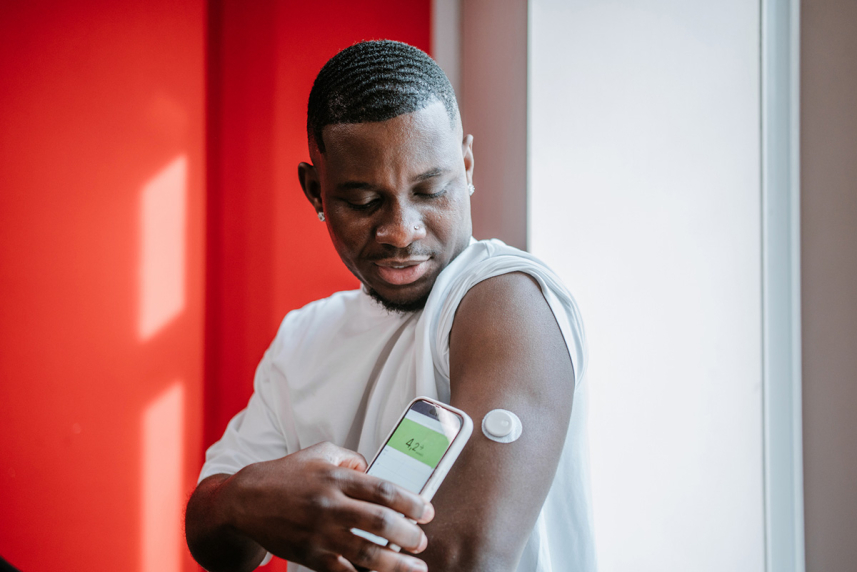
A continuous glucose monitor (CGM) is a small device that checks your blood sugar all day and night. A tiny sensor sits just under the skin, usually on the upper arm or stomach.4 It measures blood sugar every few minutes and sends the numbers to a phone or small reader.
Because a CGM checks so often, it shows patterns that finger-stick tests can miss. Instead of just a few readings each day, a CGM gives you constant information. Users can see how glucose changes throughout the day in response to factors such as:
- Meals
- Physical activity
- Stress
- Sleep
Most CGMs also include alerts. These alerts can show when glucose levels are too high or too low. This early warning can help lower the amount of time spent outside a safe range.
You’re not alone with vision loss
Find free workshops, practical advice and one-on-one support to help adapt to low-vision with confidence. Get started.
How CGMs support better blood sugar control
Real-time information makes it easier to see when blood sugar is starting to go up or down and to make changes before it gets too high or too low. For example, a CGM might show spikes after certain foods. This can help people choose different meals or smaller portions. It can also show how simple habits can bring blood sugar back into a healthy range. These habits might be taking a walk after eating or drinking more water.
Alerts make things safer by sending quick updates. Acting quickly can help prevent sudden spikes and long periods of high blood sugar. This helps protect eye health and diabetes management.
CGMs are especially useful at night, when finger-stick testing isn’t practical. They can find high and low numbers that might not be noticed while sleeping.
Providers in the UnitedHealthcare Vision Network are here to help keep vision healthy. Search now.
Lifestyle factors that support eye health
There are other healthy everyday habits that can also help people with diabetes protect eyes. Support steady blood sugar levels by:
- Eating balanced meals
- Staying active
- Drinking plenty of water
Getting enough sleep and managing stress also matter. When the body is tired or stressed, blood sugar can rise.
Regular eye exams are another key step. Eye care providers can find early changes before they hurt vision, which makes treatment easier and more effective.
CGMs as part of a complete diabetes plan
A CGM is a useful tool, but it works best when used with other parts of a diabetes care plan. This includes taking medicines correctly, following meal plans and going to regular checkups.
CGMs give quick, clear information that helps people make decisions each day. But the numbers are only one piece of the puzzle. Talking with a diabetes care team about CGM readings can help set goals, see patterns and pick steps for better long-term health.
Sources:
- Diabetic Eye Problems MedlinePlus, November 13, 2024.
- Vision Loss and Diabetes Centers for Disease Control and Prevention, May 15, 2024.
- Macula Cleveland Clinic, January 26, 2025
- Continuous Glucose Monitoring (CGM) Cleveland Clinic, May 24, 2024